Introduction
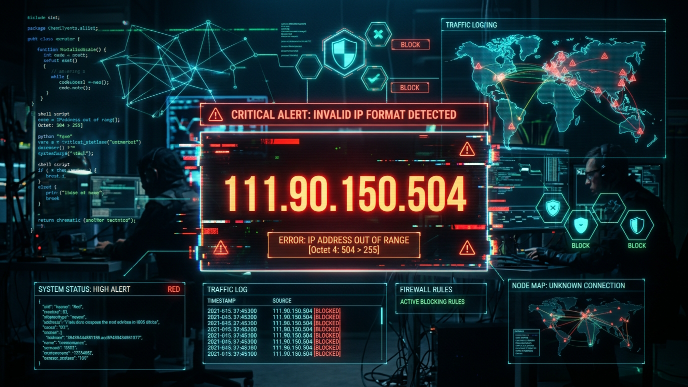
The keyword 111.90.150.504 looks like a standard IPv4 address but is actually an invalid IP-like string because it does not follow the official internet protocol structure. At first glance, it appears to represent a network address used for identifying devices online, but the final segment “504” breaks the fundamental rules of IPv4 formatting.
In real networking systems, IP addresses are essential for communication between devices, servers, and websites. However, when users encounter malformed formats like 111.90.150.504, it often creates confusion about whether it is real, dangerous, or linked to a hidden server. This article provides a deep, expert-level explanation of its meaning, structure, and relevance in modern networking and cybersecurity.
What 111.90.150.504 Represents in Networking Terms
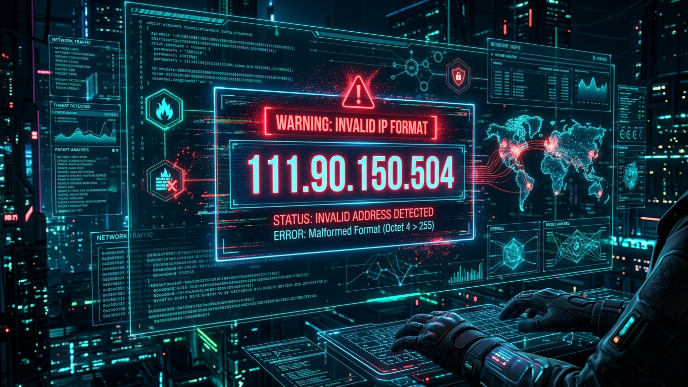
The string 111.90.150.504 is commonly mistaken for an IPv4 address, which is a numerical label used to identify devices on a network. A valid IPv4 address always contains four numerical sections separated by dots, with each section ranging from 0 to 255.
However, the last segment “504” exceeds the allowed limit, making this format invalid. Because of this violation, it cannot be assigned to any device or used in real internet routing systems. According to networking documentation, IP addresses serve as both identifiers and location pointers for devices on the internet.
This means 111.90.150.504 exists only as a misformatted or fictional representation, not as a functional network address.
Structure of a Real IPv4 Address System
A real IPv4 address is made up of four numerical blocks called octets. Each octet contains values between 0 and 255. This structure was designed to support billions of unique devices connected to the internet.
For example, valid addresses like 111.90.150.50 or 192.168.1.1 follow this structure correctly. These addresses allow data to move across networks using routing systems that understand numeric patterns.
IPv4 operates using a 32-bit structure, which provides around 4.3 billion possible combinations. As the internet grew rapidly, this system became limited, leading to IPv6 development for expanded capacity.
Why 111.90.150.504 Is Not a Valid IP Address
The primary reason 111.90.150.504 is invalid is because of its final segment “504,” which exceeds the maximum allowed value of 255. This breaks IPv4 rules instantly.
Networking systems such as routers, firewalls, and DNS servers strictly validate every IP address before processing it. If a format does not match the required structure, it is rejected automatically.
This strict validation ensures that internet communication remains stable and prevents routing errors that could disrupt global connectivity. Without this rule, data packets could not reach their correct destinations reliably.
How Real IP Addresses Work on the Internet
A real IP address acts like a digital identity for devices connected to the internet. When a user visits a website, their device sends a request through an IP address, which is then routed to the correct server.
That server responds using its own IP address, completing a two-way communication process. This system allows billions of devices to communicate simultaneously without conflict or confusion.
According to IP lookup systems, every IP address is linked to network routing data, ISP information, and location-based metadata used for traffic management and security.
Why Invalid IP-Like Strings Appear Online
Strings like 111.90.150.504 often appear due to simple mistakes or system-generated errors. One common reason is human typing error, where an incorrect number is accidentally added.
Another reason is logging issues in software systems where network data is recorded incorrectly. Developers may also use fake IP formats in tutorials or examples to explain networking concepts without exposing real addresses.
In some cases, corrupted data or formatting errors in databases can produce similar invalid IP-like strings unintentionally.
Misconceptions About Fake IP Addresses
Many users mistakenly assume that any number resembling an IP address must belong to a real server or hidden system. This is not true.
Real IP addresses must strictly follow numeric rules. Any deviation such as extra digits, letters, or incorrect formatting makes them unusable. Even professional systems instantly reject such invalid inputs.
Understanding this helps users avoid confusion when encountering strange or suspicious-looking strings online.
Cybersecurity View on Invalid IP Formats
From a cybersecurity perspective, 111.90.150.504 is not a threat because it does not function in real networks. However, similar-looking strings can sometimes appear in suspicious content.
Cybersecurity experts often analyze malformed IP-like patterns to detect phishing attempts or misleading data. Attackers may use fake IP formats to confuse users or hide real network destinations.
Although this specific string is harmless, awareness of such patterns is important for safe browsing and digital hygiene.
Geolocation Limitations of Invalid IPs
Real IP addresses can be analyzed using geolocation tools that estimate the device’s country, region, or internet service provider. These tools rely on global IP databases maintained by internet authorities.
However, since 111.90.150.504 is invalid, it cannot be mapped to any location or ISP. Only correctly formatted IP addresses can be analyzed for geographic or network-based information.
According to IP lookup systems, geolocation accuracy varies but is generally reliable at country level for valid IPs.
Importance of IP Validation in Network Systems
IP validation is a critical process in networking systems. It ensures that only correctly formatted addresses are processed and routed across the internet.
When an invalid format like 111.90.150.504 is detected, systems immediately reject it to prevent errors in communication and data delivery.
This validation mechanism helps maintain the stability, security, and reliability of global internet infrastructure.
Conclusion
The string 111.90.150.504 is not a valid IP address but a malformed representation of IPv4 structure. Its final segment violates core networking rules, making it unusable in any real system.
Understanding why this format is invalid helps users gain deeper knowledge of how internet communication works and why strict formatting rules are essential. It also improves awareness of cybersecurity and prevents confusion caused by misleading or incorrect network-related data.