Introduction
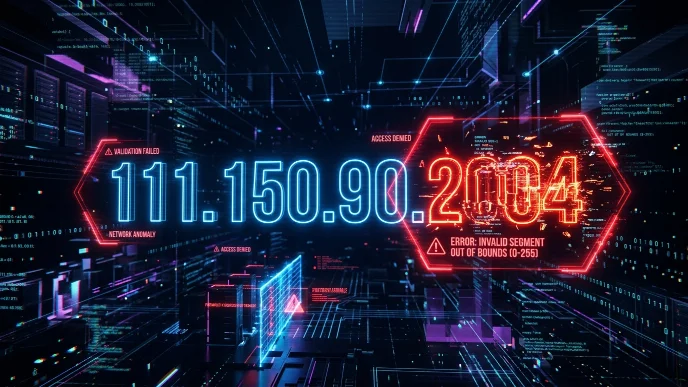
The term 111.90.150.2404 has gained attention online because it resembles a standard IP address but does not actually follow the technical rules of internet networking. At first glance, it looks like a typical IPv4 address used for identifying devices on the internet. However, the structure of this string makes it invalid in real-world networking systems.
In the digital ecosystem, IP addresses play a vital role in connecting devices, routing data, and enabling global communication. But when users encounter unusual formats like 111.90.150.2404, confusion often arises. This article provides a deep, research-based explanation of what this term represents, why it appears online, how real IP systems work, and what security implications are associated with such misleading formats.
Understanding 111.90.150.2404 in Digital Context
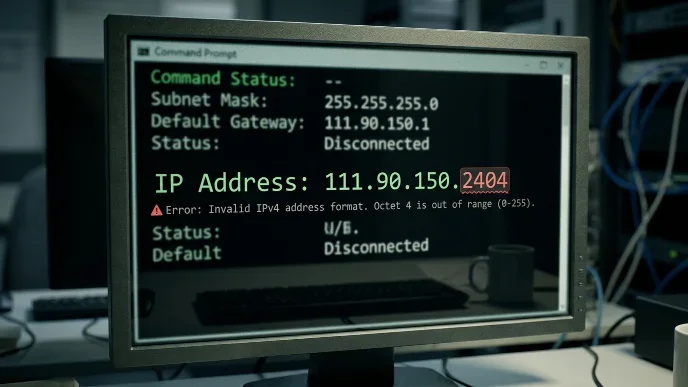
The string 111.90.150.2404 closely resembles an IPv4 address, which typically consists of four numerical segments separated by dots. Each segment, called an octet, must fall between 0 and 255. This strict rule ensures proper identification of devices on a global network.
However, in this case, the last segment “2404” exceeds the maximum allowed value. This automatically makes the format invalid in real networking systems. According to multiple technical explanations, such strings are often the result of typographical errors, data corruption, or misinterpreted system logs rather than functional IP addresses.
Because of this invalid structure, 111.90.150.2404 cannot be assigned to any device, server, or network interface. It exists only as a misleading or incorrectly formatted digital string.
Structure of a Real IPv4 Address System
To understand why 111.90.150.2404 is invalid, it is essential to understand how real IPv4 addresses are structured. IPv4 addresses consist of four octets separated by dots, each ranging from 0 to 255. This system allows approximately 4.3 billion unique combinations.
These addresses function as digital identifiers that help devices communicate over the internet. Every website, server, smartphone, and IoT device relies on this system to send and receive data packets accurately.
Without this structured format, internet communication would break down completely, as routers would not be able to determine where data should be delivered.
Why 111.90.150.2404 Is Not a Valid IP Address
The primary reason 111.90.150.2404 is invalid lies in its final segment “2404,” which violates IPv4 numerical limits. Since no octet can exceed 255, this string fails validation instantly in all networking systems.
Operating systems, firewalls, and routers are designed to reject such malformed entries. Even a single incorrect digit is enough to make an IP address unusable. This strict validation ensures that only properly formatted data enters the internet routing system.
In many cases, such invalid strings appear due to human error or incorrect data entry in software logs or databases.
How IP Addresses Work in Real Internet Communication
Real IP addresses act as the backbone of internet communication. When a user opens a website, their device sends a request through an IP address, which is then routed to a server hosting the requested content.
The server responds using another IP address, completing a two-way communication cycle. This system allows billions of devices to interact simultaneously without conflict.
IP addresses are managed by global organizations and internet service providers, ensuring that each address remains unique and properly assigned across networks worldwide.
Role of IP Geolocation and Network Mapping
Real IP addresses can be analyzed using geolocation systems to determine approximate physical locations. These systems map IP ranges to countries, cities, and internet service providers using large databases.
However, since 111.90.150.2404 is not valid, it cannot be traced or mapped to any geographical location. Only properly formatted IP addresses can be analyzed using geolocation tools.
According to IP lookup systems, valid IP addresses can reveal ISP details, timezone information, and network ownership data, which are widely used in analytics and cybersecurity monitoring.
Common Reasons Behind Appearance of Invalid IP Strings
Strings like 111.90.150.2404 often appear online due to several non-technical reasons. One common cause is simple human error during typing or data entry. Another is misformatted logs generated by servers or applications.
Sometimes developers intentionally modify IP-like strings in documentation or tutorials to avoid exposing real network data. This is a common practice in cybersecurity discussions and educational material.
In rare cases, corrupted databases or parsing errors in software systems may also generate such invalid strings unintentionally.
Misconceptions About Fake or Modified IP Addresses
Many internet users mistakenly assume that every numeric string resembling an IP address represents a real server or hidden system. This misconception often leads to confusion when encountering invalid formats like 111.90.150.2404.
In reality, IP addresses must strictly follow numerical rules. Any deviation—such as extra digits or letters—renders them non-functional. For example, even a single character outside the numeric range completely invalidates the address structure.
Understanding this distinction is essential for anyone learning networking or cybersecurity fundamentals.
Cybersecurity Perspective on Invalid IP Formats
From a cybersecurity standpoint, invalid IP-like strings do not function in real systems but may still appear in suspicious contexts. Cybersecurity analysts often monitor unusual patterns to detect potential threats or misinformation.
Attackers sometimes use fake or altered IP formats to confuse users or mask real destinations. While 111.90.150.2404 itself is harmless, similar patterns could be part of phishing attempts or misleading digital content.
Security systems rely heavily on strict validation rules to filter out such invalid data before it enters network processes.
Real IP Address Examples and Their Functionality
A valid IP address such as 111.90.150.240 can exist within a network block assigned by an internet service provider. These addresses are part of structured systems used to route traffic efficiently.
Such IPs can be used for residential internet, corporate networks, or cloud hosting services depending on assignment. They are dynamic or static depending on ISP configuration.
Unlike invalid strings, real IP addresses are traceable, functional, and essential for global connectivity.
Tools Used for IP Verification and Analysis
There are several tools available that allow users to verify whether an IP address is valid or not. These tools check numerical ranges, format structure, and network assignment data.
IP lookup tools also provide additional information such as ISP name, geographic region, and network type. These tools rely on global databases maintained by internet authorities.
If a user enters an invalid string like 111.90.150.2404, these tools immediately reject it due to formatting errors.
Importance of Understanding IP Address Structure
Understanding how 111.90.150.2404 IP addresses work is essential in today’s digital environment. It helps users identify valid network data, avoid confusion, and improve cybersecurity awareness.
Proper knowledge of IP formats also supports IT professionals, developers, and analysts in managing networks efficiently. Misinterpreting invalid strings can lead to incorrect assumptions about systems or services.
This makes IP education a critical part of modern digital literacy.
Conclusion
The string 111.90.150.2404 is not a valid IP address but rather a malformed or incorrect representation of a standard IPv4 format. Its structure violates fundamental networking rules, making it unusable in real internet communication systems.
Understanding why this format is invalid helps users gain deeper insight into how internet infrastructure operates. It also highlights the importance of correct data formatting, cybersecurity awareness, and technical accuracy.