Introduction
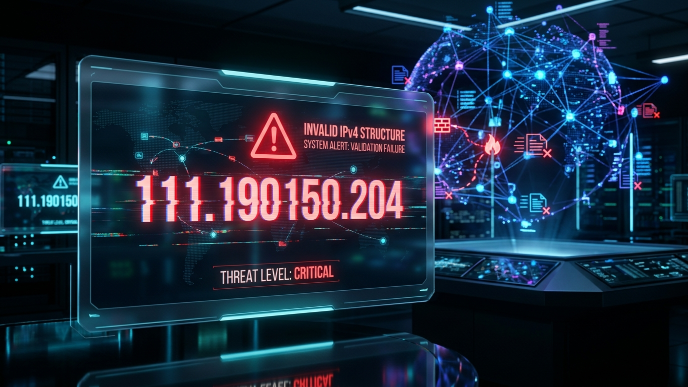
The sequence 111.190150.204 looks like an IP address at first glance, but in reality it does not fully follow the official structure of Internet Protocol version 4 (IPv4). Many users encounter this type of number in system logs, server configurations, router settings, or technical error messages, and they become confused about whether it is a valid IP address or just a system-generated mistake.
In networking systems, IP addresses are extremely important because they allow devices to communicate with each other across the internet. Because of this critical role, even a small formatting error can make an IP address invalid. The value 111.190150.204 is a good example of how incorrect formatting can completely break a network structure.
This article provides a deep, detailed, and easy-to-understand explanation of this number, its technical meaning, why it appears, how real IP addresses work, and what kind of errors lead to such patterns in real systems.
What is 111.190150.204 in Networking Context
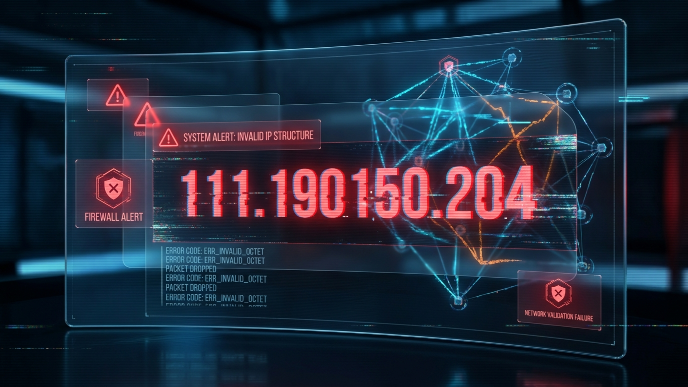
The value 111.190150.204 appears similar to an IPv4 address but it is not correctly structured according to internet protocol standards. IPv4 addresses must always contain four separate numerical sections called octets, and each octet must be separated by dots.
In this case, the second and third segments appear merged into a single large number “190150,” which breaks the required format. This makes the structure invalid and unusable in real networking systems.
A valid IP address would look like 111.190.150.204, where each segment is properly separated and within the allowed numeric range of 0 to 255. According to IPv4 standards defined by the Internet Engineering Task Force, any deviation from this format results in an invalid address that cannot be routed or recognized by network devices.
Why Users Encounter 111.190150.204 in Real Systems
One of the most common reasons users see 111.190150.204 is due to formatting errors in logs, configuration files, or network tools. Many users accidentally remove dots or miscopy IP addresses when entering them manually.
Another reason is software processing errors. When systems export or parse data incorrectly, missing separators or merged fields can create broken IP-like strings. These errors often appear in server logs, analytics dashboards, or database exports.
A third reason is confusion with similar valid IPs. For example, a correct IP like 111.190.150.204 may be mistyped, leading to a merged format that looks similar but is technically invalid.
Is 111.190150.204 a Valid IP Address
From a strict networking perspective, 111.190150.204 is not a valid IPv4 address. The IPv4 system requires four octets separated by dots, and each octet must be between 0 and 255.
The problem here is structural. The segment “190150” exceeds the allowed range and also merges two separate values into one. Because of this, no router, server, or operating system can interpret it as a valid address.
Networking systems automatically validate IP formats before use. If a system detects a structure like this, it immediately rejects it to prevent routing errors or communication failures.
Understanding Correct IPv4 Structure
To understand why 111.190150.204 is invalid, it is important to understand how IPv4 addressing works in detail.
IPv4 uses a 32-bit system divided into four 8-bit sections called octets. Each octet represents a number from 0 to 255. These four sections together form a unique identifier used to locate devices on a network.
For example, a correct IP address like 111.190.150.204 works because each section is within range and properly separated. This structure allows billions of unique combinations, enabling global internet connectivity.
If even one part is missing, merged, or out of range, the entire address becomes invalid and unusable in communication systems.
Common Causes of Invalid IP Formats Like 111.190150.204
Invalid IP-like values such as 111.190150.204 usually occur due to human error or system misconfiguration.
One common cause is manual typing mistakes when configuring routers, servers, or firewall settings. Missing dots or incorrect copy-paste actions can easily merge values together.
Another cause is system export or logging errors. When large datasets are processed, formatting issues can occur, especially if data fields are not properly separated.
Software bugs can also generate malformed outputs, especially in older systems or improperly configured network tools.
Could 111.190150.204 Be a System Generated Identifier
Although 111.190150.204 is not a valid IP address, in some systems it may appear as a corrupted or internal string. Certain applications use dot-separated numeric patterns for logging or indexing purposes.
However, these values are not used for internet communication. Instead, they are internal references that may resemble IP addresses but do not function as network identifiers.
According to system behavior analysis, malformed IP-like strings are often treated as raw data errors rather than meaningful network values.
Security Perspective on Unknown IP-Like Values
From a cybersecurity perspective, encountering a value like 111.190150.204 is not automatically dangerous. In most cases, it represents a formatting error rather than a malicious attempt.
Security systems often flag invalid IP formats during log analysis because they may indicate misconfigured software or corrupted data inputs. However, they are not typically associated with active cyber threats.
Experts recommend verifying the origin of such entries using trusted network tools before drawing conclusions about security risks.
Why Invalid IP Formats Appear in Technical Logs
Invalid IP-like formats such as 111.190150.204 are commonly found in system logs, debugging reports, and network diagnostics.
Developers often encounter malformed IPs when working with large datasets, migrating systems, or parsing network traffic logs. These errors help engineers identify issues in data validation and system configuration.
In modern networking environments, strict validation rules are essential to ensure only correctly formatted IP addresses are processed.
Importance of IP Address Validation in Networks
IP validation is a critical part of networking systems because it ensures that only properly structured addresses are used for communication.
When a system detects an invalid format like 111.190150.204, it rejects it immediately to avoid routing failures or connection issues.
Without proper validation, networks would face serious instability, misrouting, and communication breakdowns between devices.
Difference Between Valid and Invalid IP Addresses
A valid IP address always follows a strict format such as 111.190.150.204, where each segment is separated and within range.
An invalid version like 111.190150.204 breaks this structure by merging segments and violating numeric rules.
This difference is extremely important because valid IPs are used for real communication, while invalid ones are ignored or treated as errors.
Real-World Example of Similar Issues
In real-world networking systems, similar errors often occur during firewall configuration, server setup, or cloud infrastructure deployment.
For example, when administrators manually input IP ranges, missing separators can lead to system rejection. These issues are usually caught during validation testing before deployment.
Such examples highlight how sensitive network systems are to formatting accuracy.
Why Understanding IP Structure is Important
Understanding IP structure helps users avoid configuration mistakes and improves awareness of how internet communication works.
Many beginners encounter issues like 111.190150.204 and assume it is a valid address, but learning proper structure helps prevent such confusion.
Proper knowledge of networking basics is essential for IT professionals, developers, and system administrators.
Conclusion
The sequence 111.190150.204 is not a valid IP address and cannot function in any real networking environment. It is most likely the result of formatting errors, data corruption, or incorrect manual entry.
Although it resembles a real IPv4 structure, it violates fundamental rules related to segmentation and numeric limits, making it unusable in communication systems.